
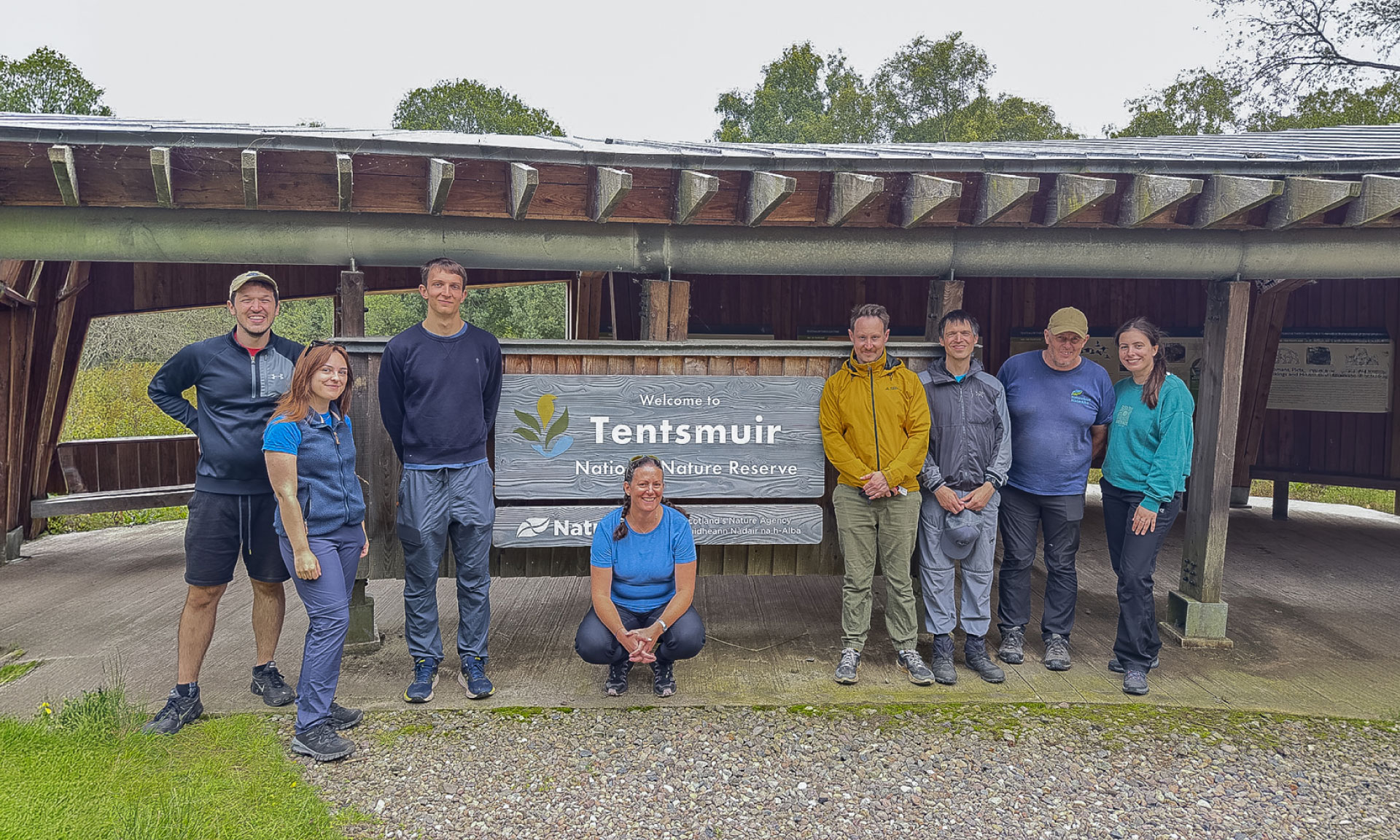
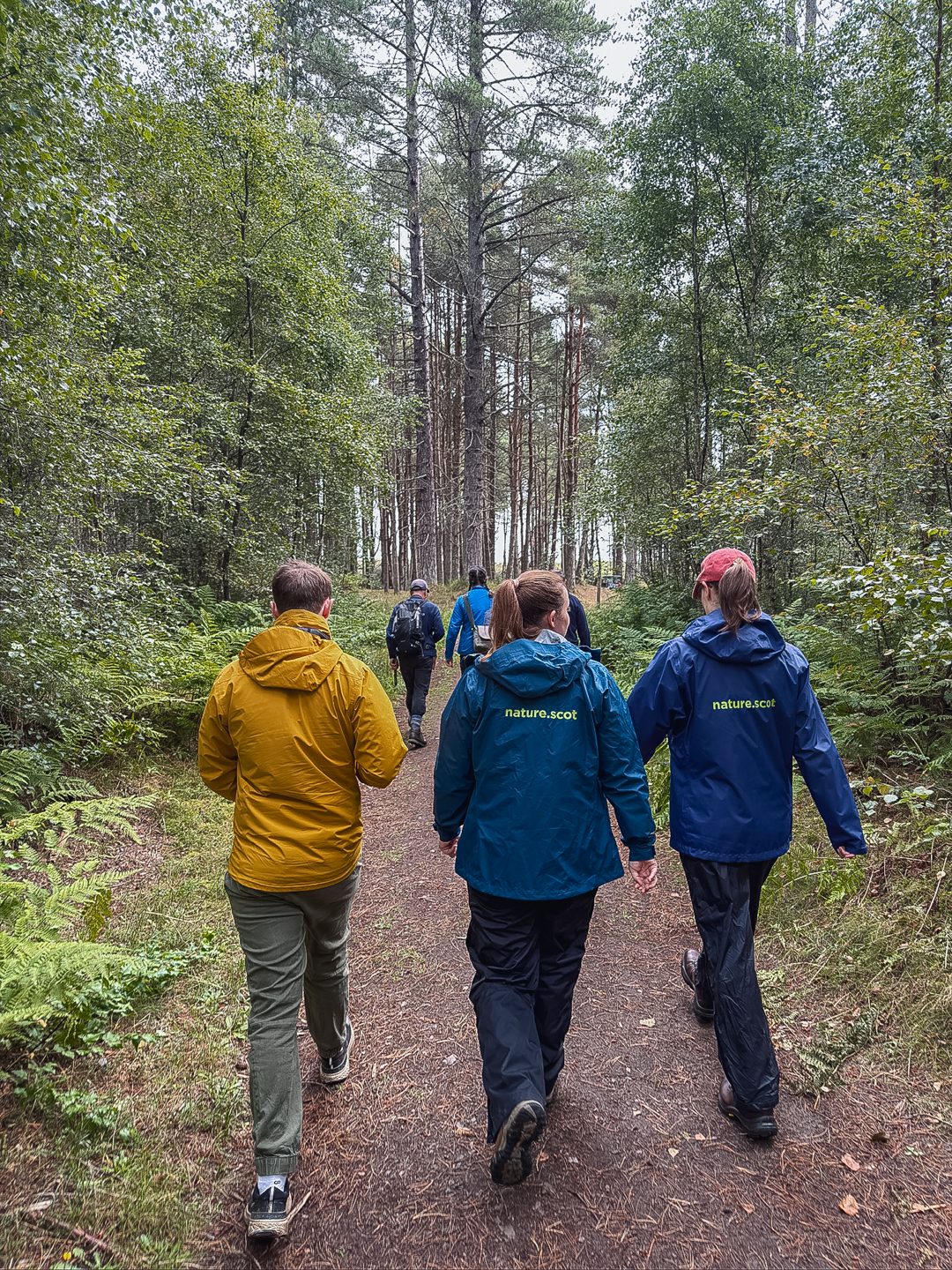
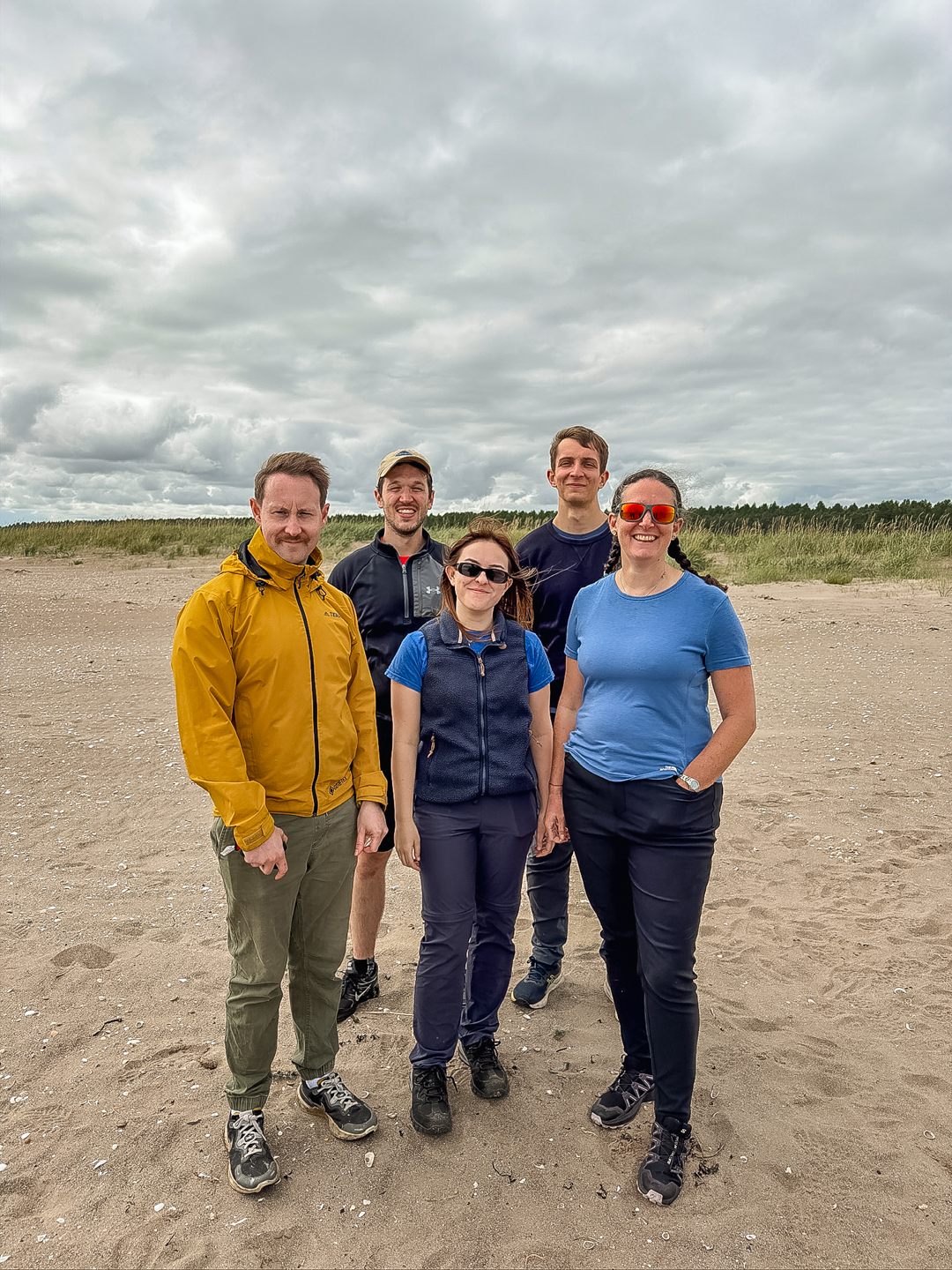
I recently joined 13 volunteers from Informed’s product team and NatureScot at Tentsmuir National Nature Reserve in Fife for a day of practical conservation work.
Alongside the regular Tentsmuir volunteers, we had been told ahead of our arrival that we would be spending the day ‘tree popping’. No-one from the Informed team was entirely sure what this entailed. The name itself offered few clues, whilst the risk assessment provided one useful warning, “twigs in eyes”, but otherwise the mystery remained intact.
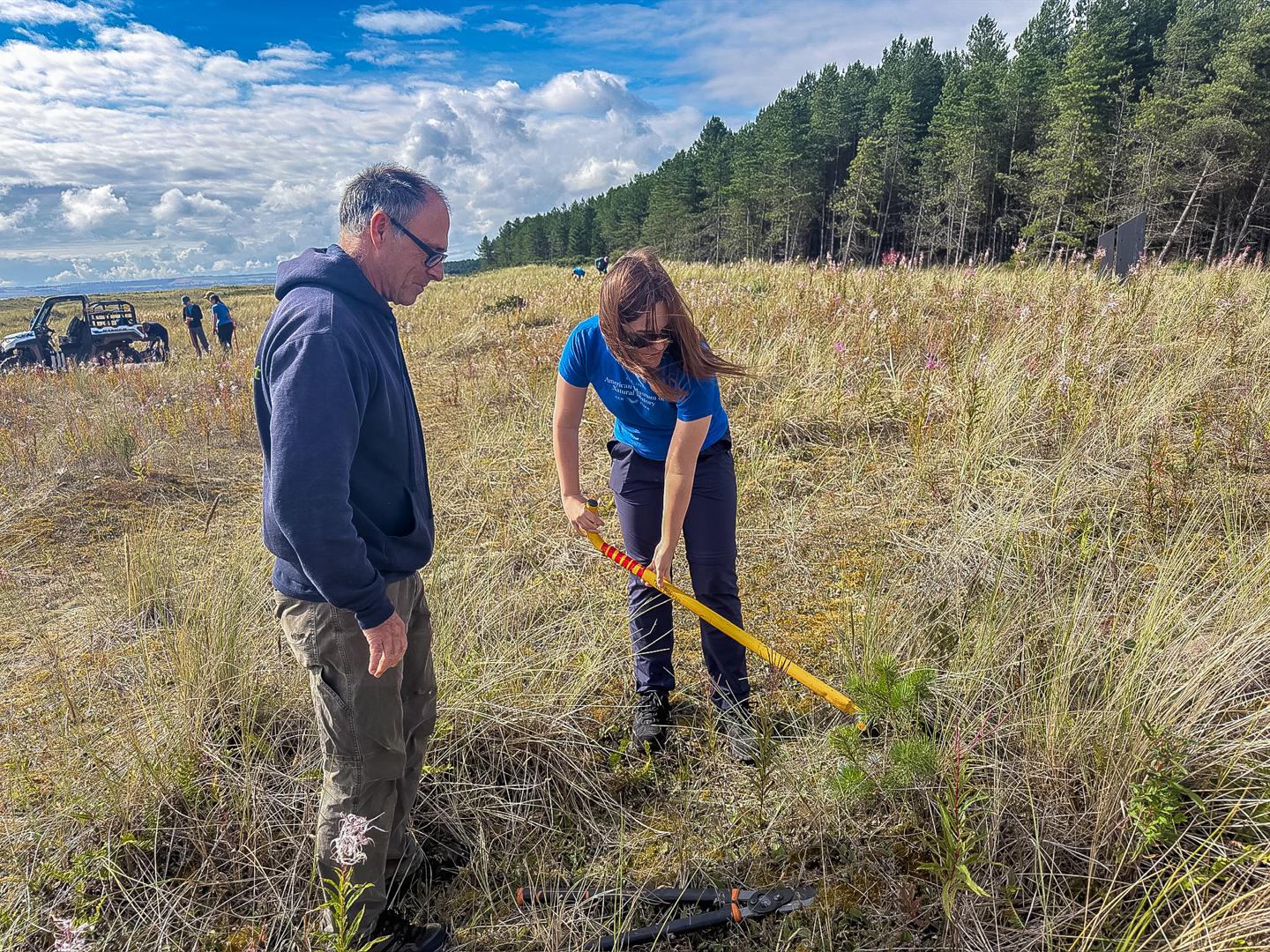
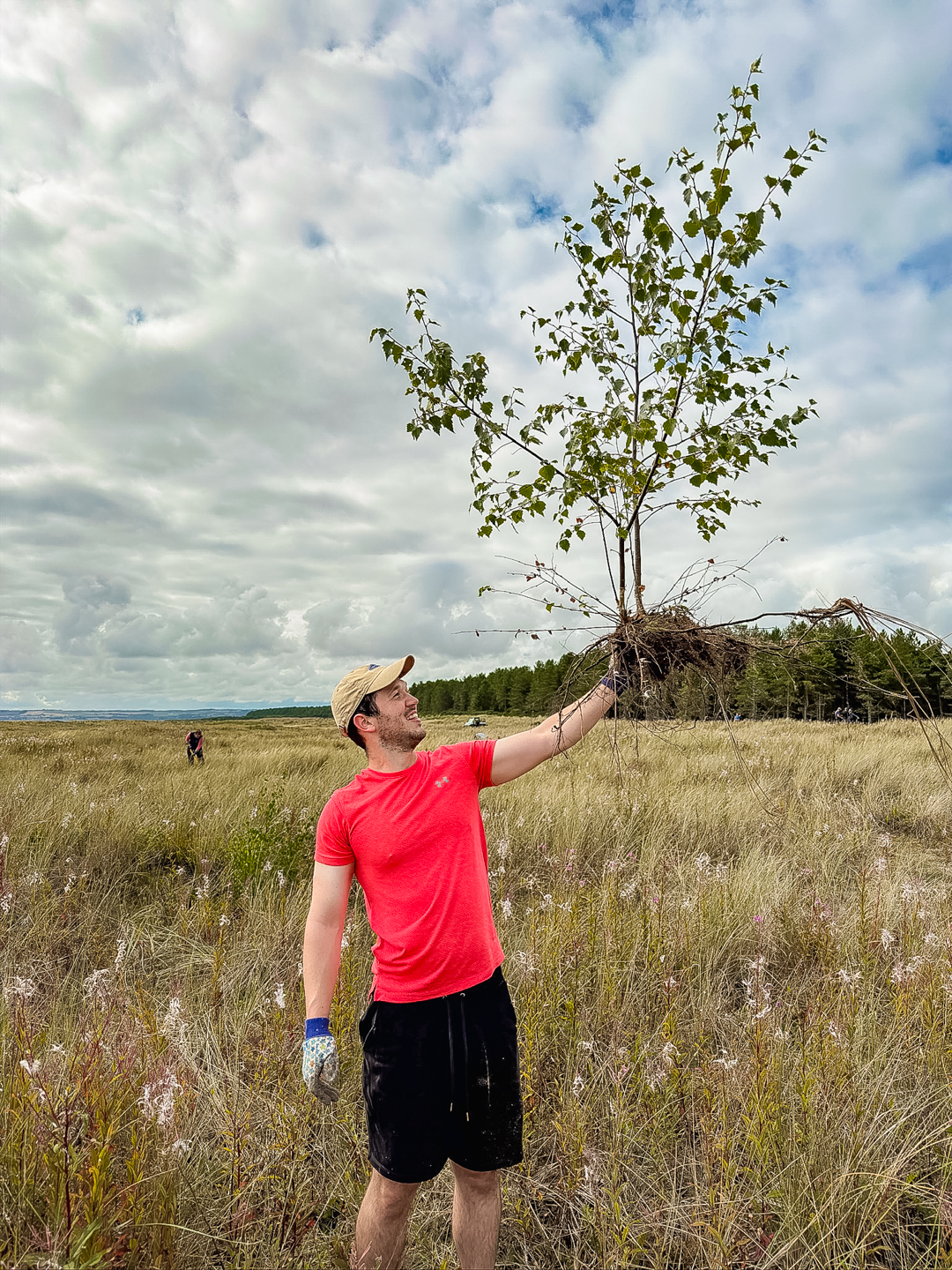
Fortunately, we were greeted by a dry and mild day in north-eastern Fife, despite the usual expectations of variable Scottish weather. We were soon introduced to the mechanics of tree popping: removing young trees and saplings from the Tentsmuir sand dunes using a purpose-made steel tool.
Keeping Tentsmuir’s dunes dynamic
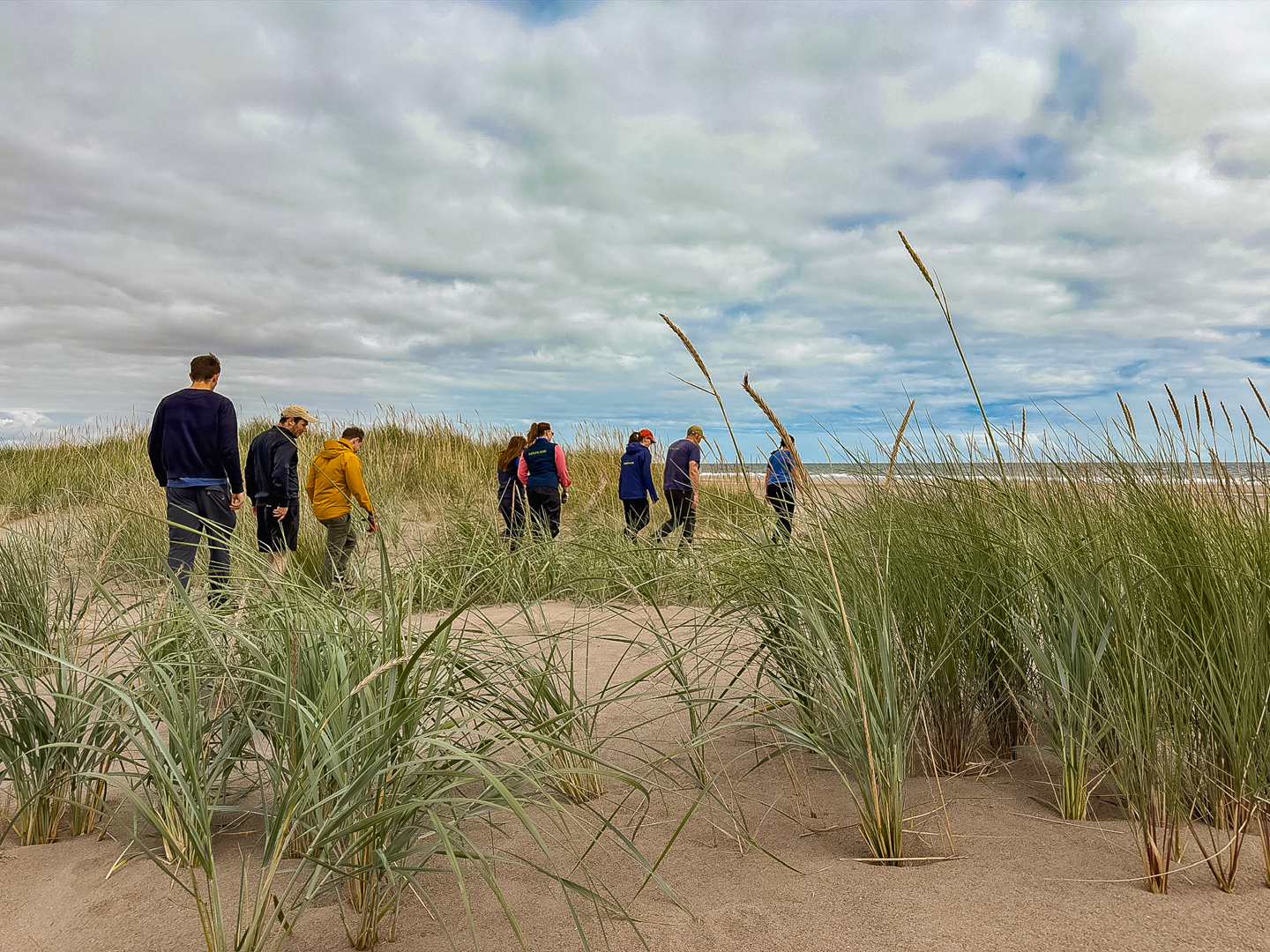
Tentsmuir is a coastal reserve of international importance. It spans 564 hectares and is made up of sand dunes, mudflats, woodland, and wetlands. It is part of one of the most dynamic coastlines in the UK.
Protecting the sand dunes at Tentsmuir, a Site of Special Scientific Interest (SSSI) managed by NatureScot, is particularly important. The dunes provide valuable habitats for a wide range of plants and wildlife, whilst also acting as a natural defence against coastal erosion and flooding.
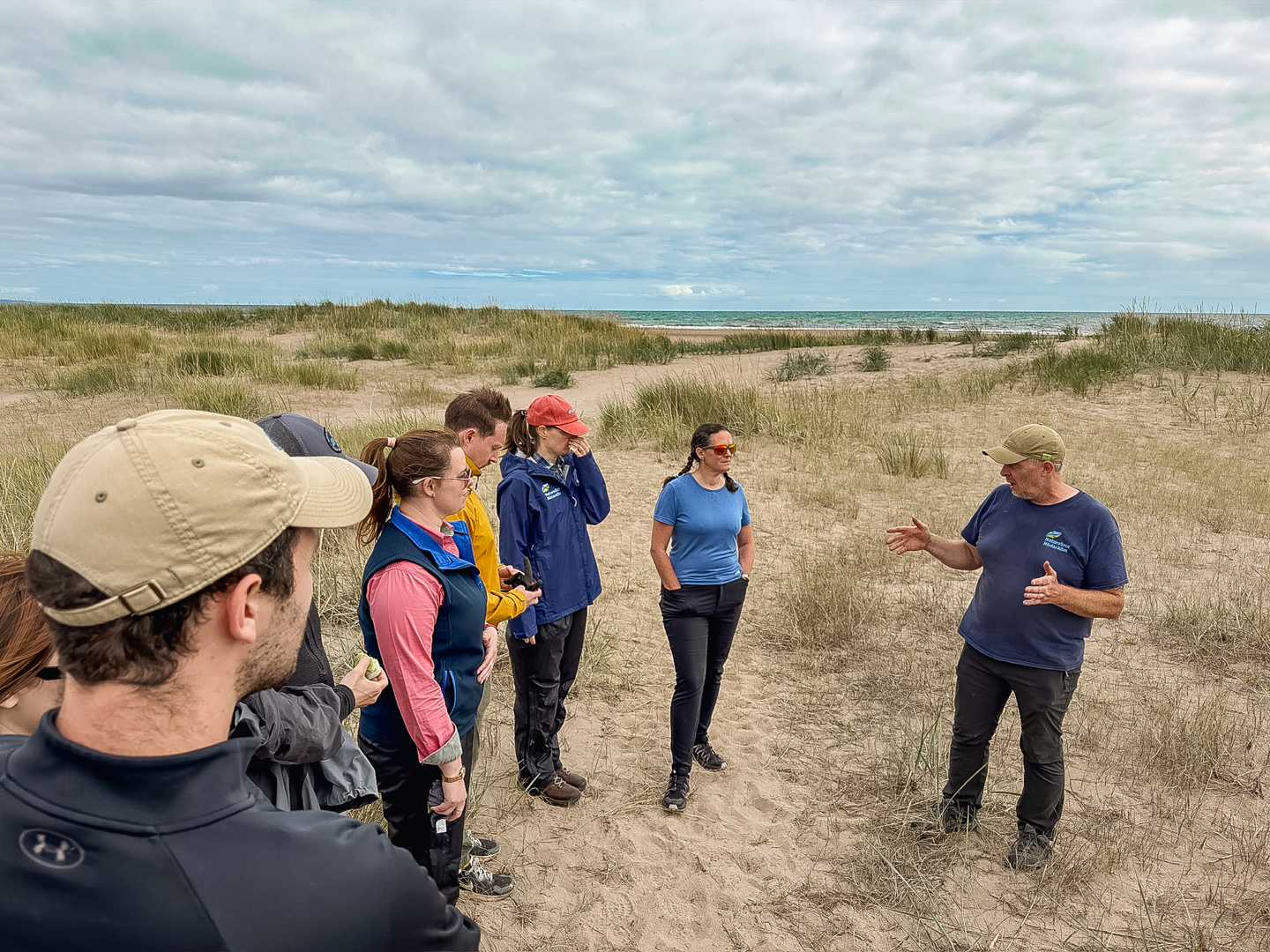
Although removing young trees from sand dunes may initially sound somewhat contrary to the principles of conservation, Tentsmuir’s Reserve Officer soon explained why the work is so important. The aim is to keep the dunes dynamic and allow the landscape to continue its natural movement. As young trees establish, their roots can stabilise the sand, reducing the movement that is essential to the health and development of a dynamic dune system.
Some saplings were relatively easy to ‘pop’ from the sand, others required considerably more persuasion. Removing young trees with more established roots quickly became a group effort, with multiple people digging and pulling in order to free them from the sand.
Collaborative conservation
The task proved to be an excellent team-building exercise. With everyone working towards the same goal, there was plenty of collaboration, encouragement, and, inevitably, a little friendly competition over who could successfully ‘pop’ the most substantial sapling. Before long, the day had acquired its own catchphrase: “A tree popped is a tree stopped”, courtesy of the NatureScot reserve team, who would remind us of it whenever they thought we needed a little encouragement.
Getting outdoors to support conservation and reconnecting with nature was rewarding in itself, but working directly with NatureScot and Tentsmuir volunteers gave our team a fresh appreciation for hands-on environmental work. Through our partnership with NatureScot, we’ve developed InformedDECISION™ and InformedINSIGHT™, using advanced geospatial and AI technology to help monitor and protect natural habitats. Joining the team out in the field gave us a clearer understanding of the practical conservation work these technologies support.
Proudly supporting environmental action in Scotland
Our day at Tentsmuir reflects a wider commitment at Informed: to contribute to Scotland’s environmental and social priorities through both the work we deliver and the positive impact we create alongside our partners and communities.
As our presence and investment in Scotland continue to grow, we are committed to supporting environmental stewardship, skills development and job growth, particularly across digital, data, AI and geospatial careers.
Days such as this connect our innovation with action on the ground, giving our colleagues the opportunity to contribute directly to conservation and strengthen our understanding of the landscapes and communities we are here to support.
We would like to thank NatureScot and the Tentsmuir volunteers for welcoming us, sharing their knowledge and giving us the opportunity to contribute to the ongoing conservation of this unique landscape.
Gallery

Build your career through meaningful work
Work on complex challenges, continue learning and make a real difference alongside collaborative, multidisciplinary teams.